
Shoulders are one of the most rewarding—and unforgiving—muscle groups to train. Too much weight, poor leverage, or sloppy setup can quickly turn a productive training session into weeks of discomfort.
As someone who works in gym equipment manufacturing and trains consistently, I’ve tested these movements personally, observed visitors training in our factory showroom, and collected feedback from commercial gym owners and fitness distributors.
Below is my personal top five list, ranked by overall training impact rather than personal preference. Beginners should prioritize control and technique. Advanced lifters will probably debate the ranking—which is part of what makes training interesting.
The foundation of raw shoulder strength.
Set your feet firmly, brace your core, and press the bar from upper chest level to full lockout. No leg drive, excessive lean-back, or momentum—just strict pressing mechanics.
The overhead press builds the base strength and thickness that supports nearly every other shoulder movement. If your goal is a powerful, dense upper body, this exercise deserves a permanent place in your program.
Training Equipment Tip:
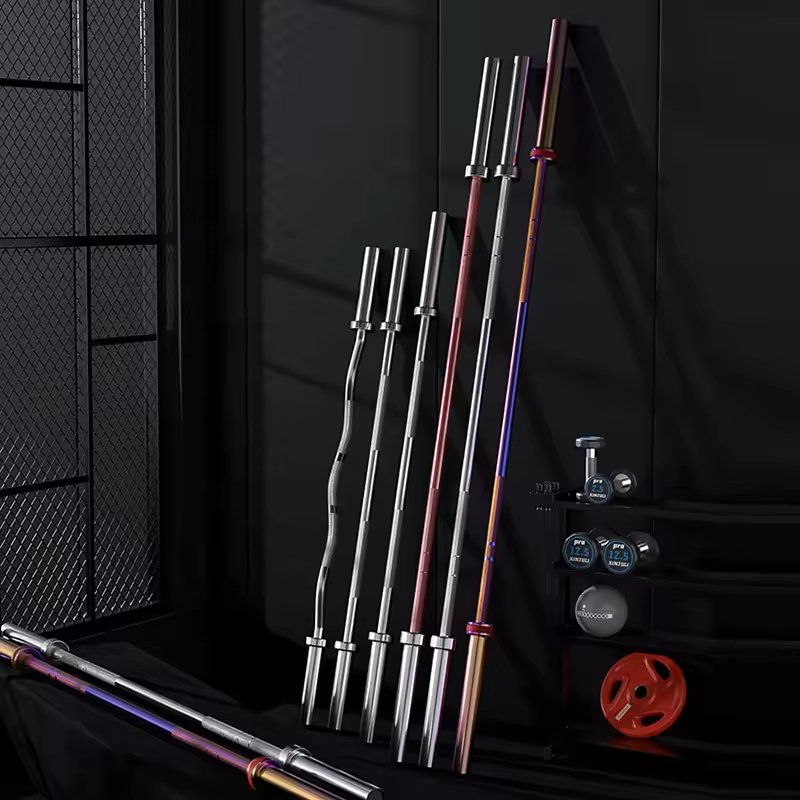
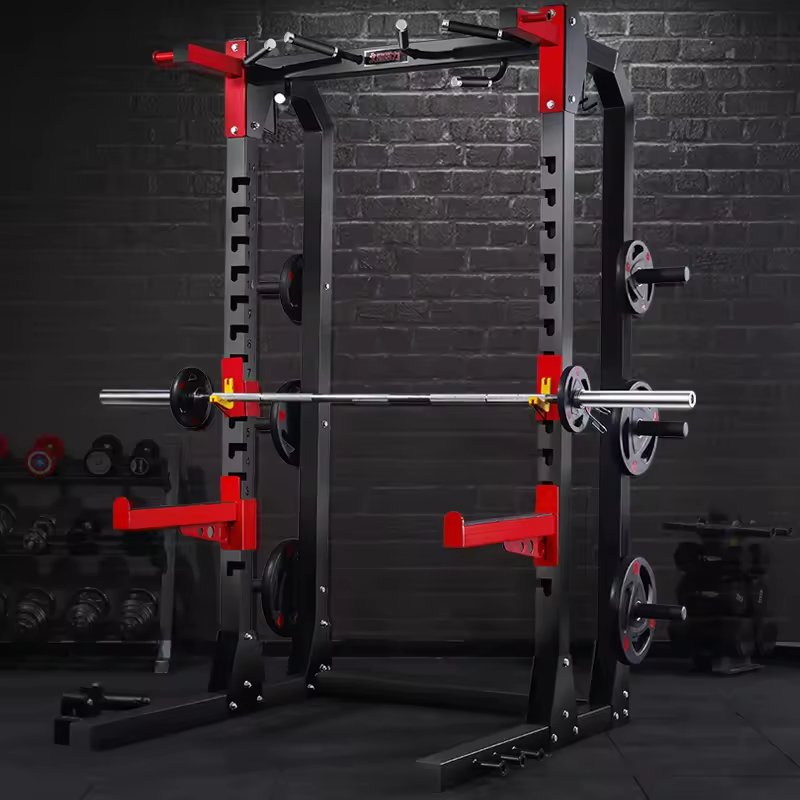
Use a quality Olympic barbell paired with a sturdy rack or squat stand for safety and stability.
The rear delt builder most people neglect.
Rear delts are often ignored until posture issues or shoulder discomfort show up.
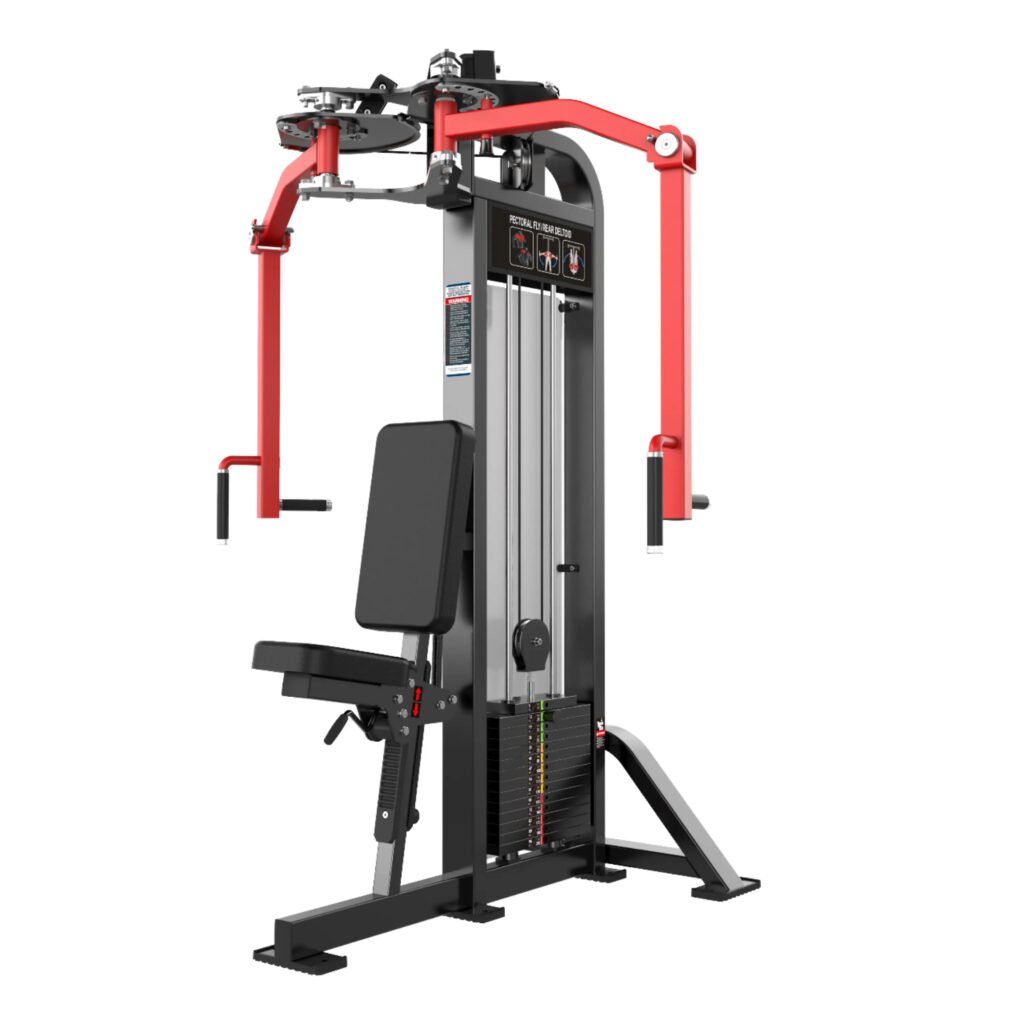
Keep your chest firmly against the pad and drive your upper arms straight back. Avoid shrugging or turning the movement into a row. The goal is controlled contraction, not heavy loading.
This exercise improves shoulder balance, posture, and rear delt development—especially for lifters who do a lot of pressing.
Training Equipment Tip:
Look for a pec deck or rear delt machine with adjustable arms and comfortable chest support.
The classic shoulder width builder.
Use less weight than you think you need.
With a slight bend in the elbows, raise the dumbbells out to your sides until they reach shoulder height. Keep the movement controlled and avoid excessive swinging or trap dominance.
Executed properly, this remains one of the most effective exercises for building wider, more rounded shoulders.
Training Equipment Tip:
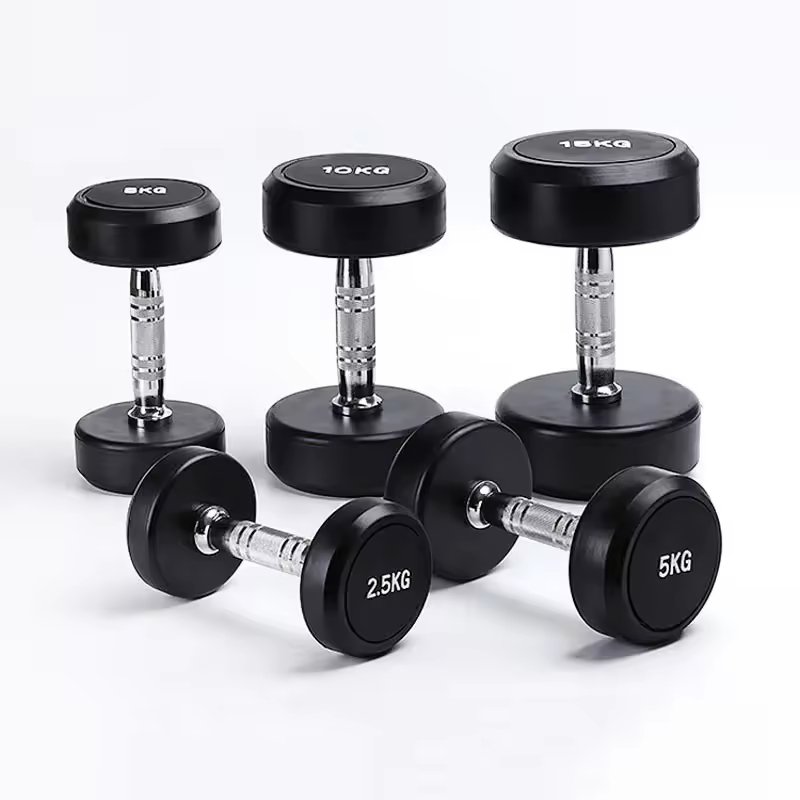
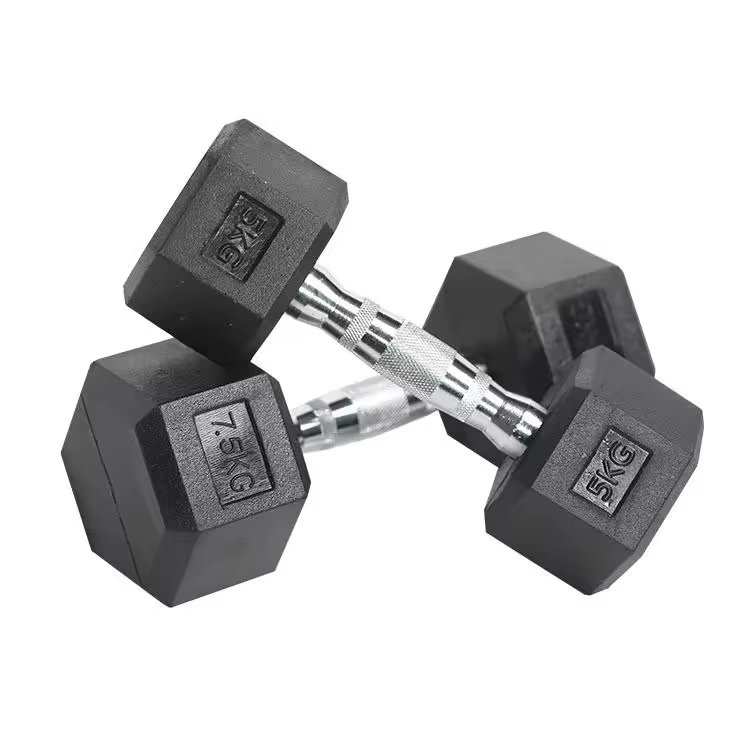
A full dumbbell set with comfortable grip texture and balanced weight distribution makes a noticeable difference.
Constant tension, maximum burn.
Unlike dumbbells, cables maintain resistance throughout the full range of motion, including the bottom portion where dumbbells provide minimal tension.
Set the pulley low, lean slightly away from the machine, and raise the handle in a controlled arc. Depending on your setup, you can perform the movement across the body or directly to the side.
This is an excellent isolation exercise and one of the best shoulder finishers available.
Training Equipment Tip:
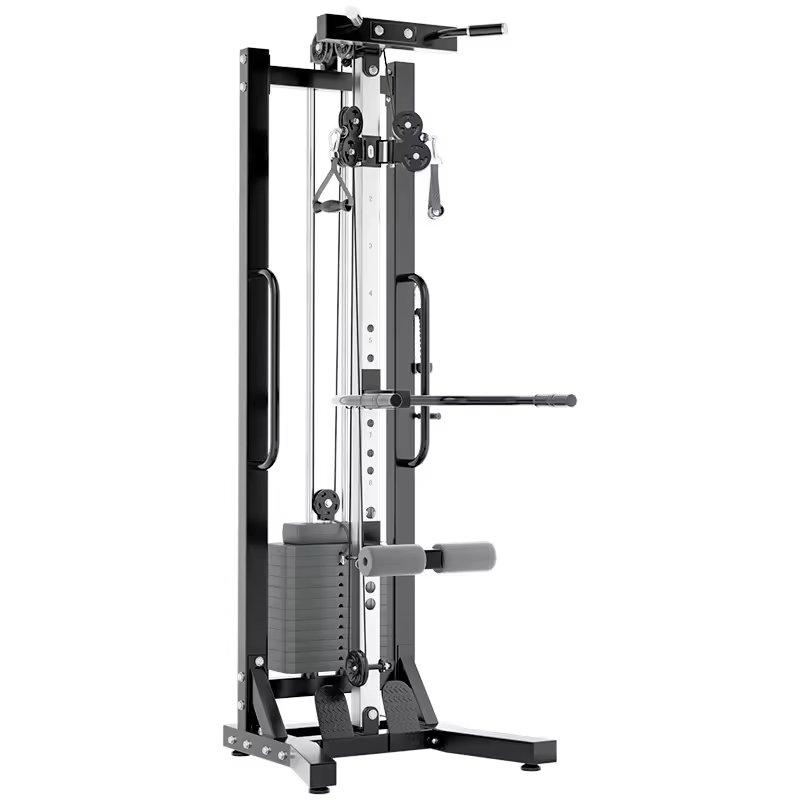
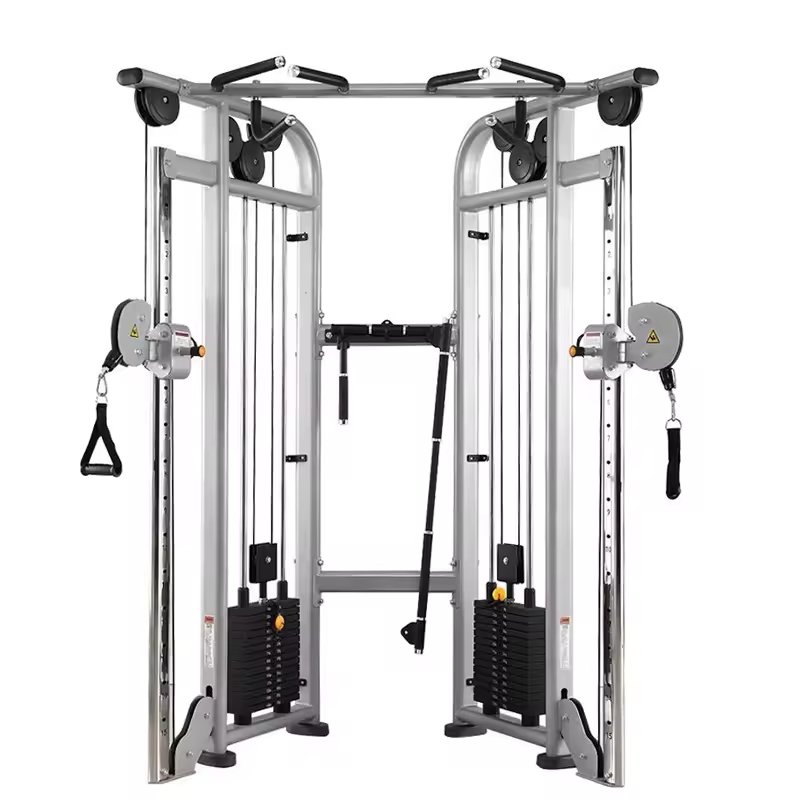
A functional trainer or adjustable cable crossover with smooth pulleys is ideal.
The best all-around mass builder.
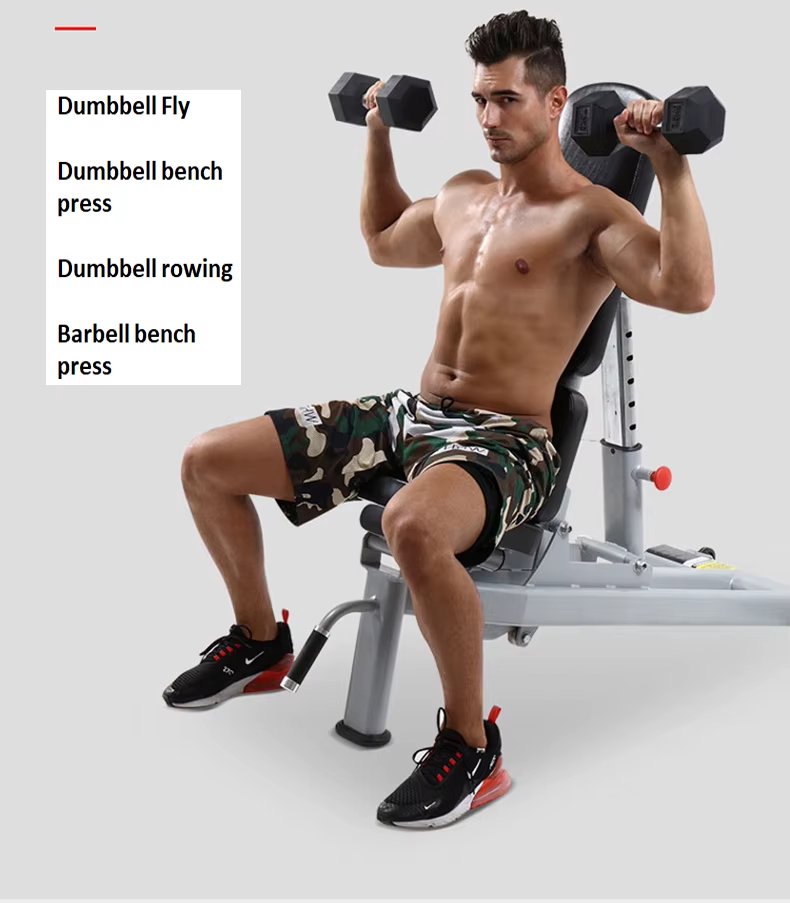
Sit on a bench with back support, or stand if you prefer additional core involvement.
Start with the dumbbells around ear level—only lower if your shoulder mobility comfortably allows it. Press upward under control, avoiding aggressive lockout or loss of tension.
Dumbbells allow a more natural movement path than barbells, making this exercise highly effective for hypertrophy while accommodating different shoulder structures.
Train hard, but always within your safe range of motion.
Training Equipment Tip:
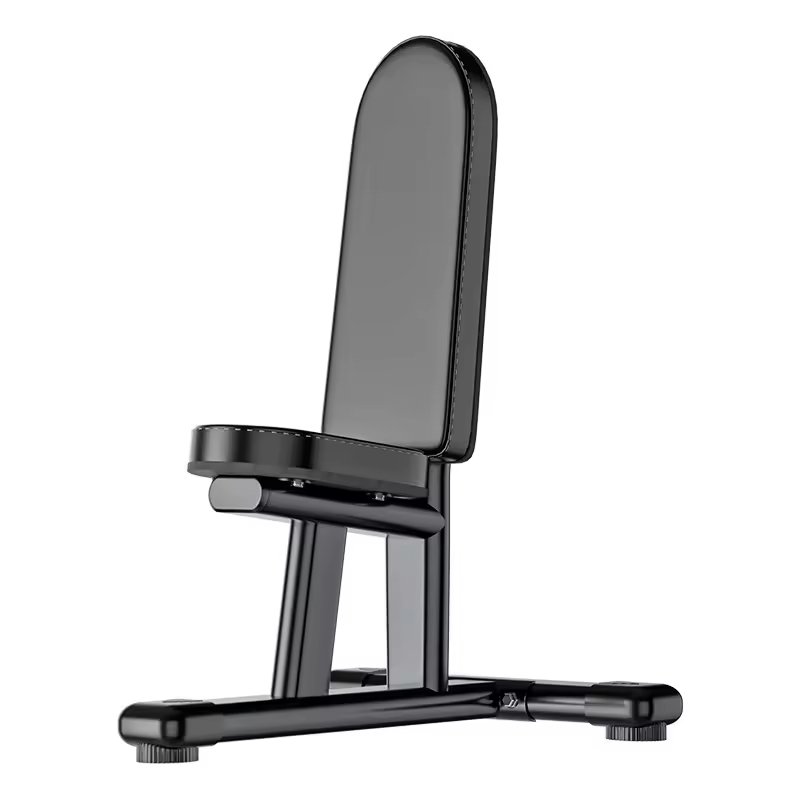
Use a stable adjustable bench and dumbbells heavy enough to challenge you in the 6–10 rep range.
There is no universal shoulder training formula.
Some lifters thrive on upright rows; others avoid them entirely. Some respond well to heavier lateral raises, while others grow better with strict form and moderate loads.
The real universal rule is simple: distinguish between muscular discomfort and joint pain.
If you feel sharp or unstable pain, stop immediately. If you cannot feel the target muscle working, adjust your angle, tempo, grip, or loading.
Good training is not about ego—it is about repeatable progress.
Training results are not determined by exercise selection alone. Equipment quality directly affects movement quality, comfort, and long-term progression.
Gym owners, distributors, and serious trainees should evaluate equipment through practical performance questions:
These details may seem small, but they shape training experience over thousands of repetitions.
As manufacturers, we pay attention to these details because equipment should support real training—not just look impressive on a showroom floor.
The best equipment disappears into the workout, allowing athletes to focus entirely on execution.
Your email will be sent directly to our product experts, who will respond to you within 1 working day (24 hours) at the latest.
Contact us and you will get not only a quote, but also an exclusive partner!

Xuzhou Dabuliu Trading Co., Ltd. is a professional fitness equipment manufacturer integrating R&D, production and sales services. It always adheres to: technological innovation, quality assurance, and everything to serve users.