Top 5 Glute and Leg Exercises: Insights from a Fitness Equipment Manufacturer
As a fitness equipment manufacturer that has grown from China to serving clients worldwide—and as someone who spends plenty of time under the squat rack—I’ve always believed that great fitness equipment should be more than steel and mechanics. The best equipment functions as an ergonomic extension of the human body, supporting movement efficiency, safety, and performance.
Over the past decade, our factory has provided OEM and custom manufacturing services to distributors, gym chains, and fitness brands across multiple markets. More importantly, we have focused on solving one essential challenge: how to design equipment that helps users train more effectively while reducing unnecessary injury risk.
In this article, I’m stepping away from the role of manufacturer and sharing my perspective as a fitness enthusiast. Below is my ranking of five highly effective glute and leg exercises—not just as a training list, but as a practical guide to movement mechanics, equipment design, and gym programming.
Whether you are an athlete looking to improve lower-body strength or a gym owner selecting equipment for your facility, these exercises offer valuable insight.
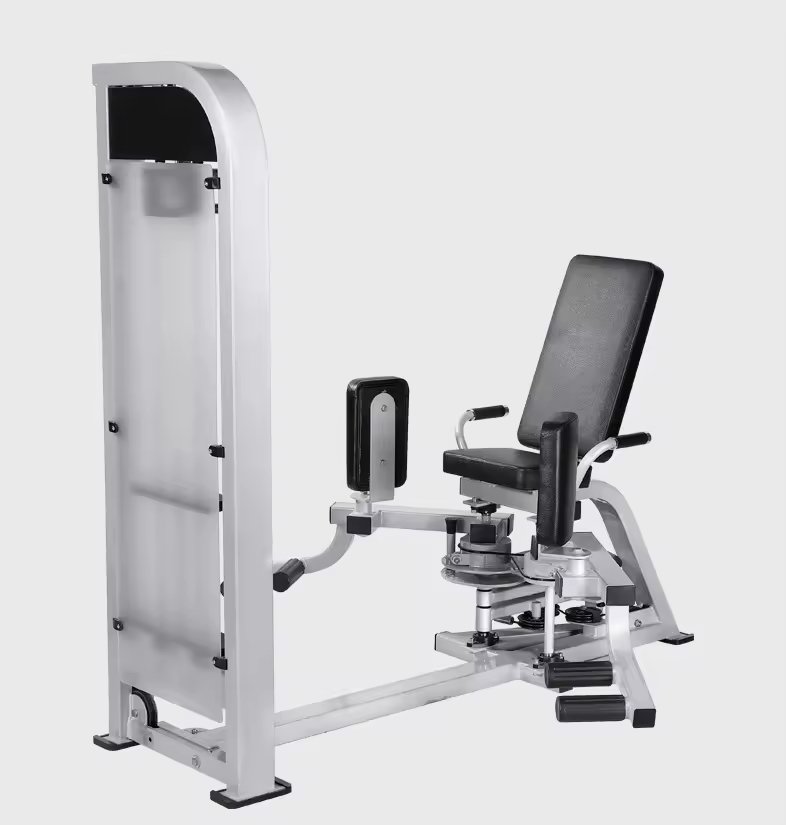
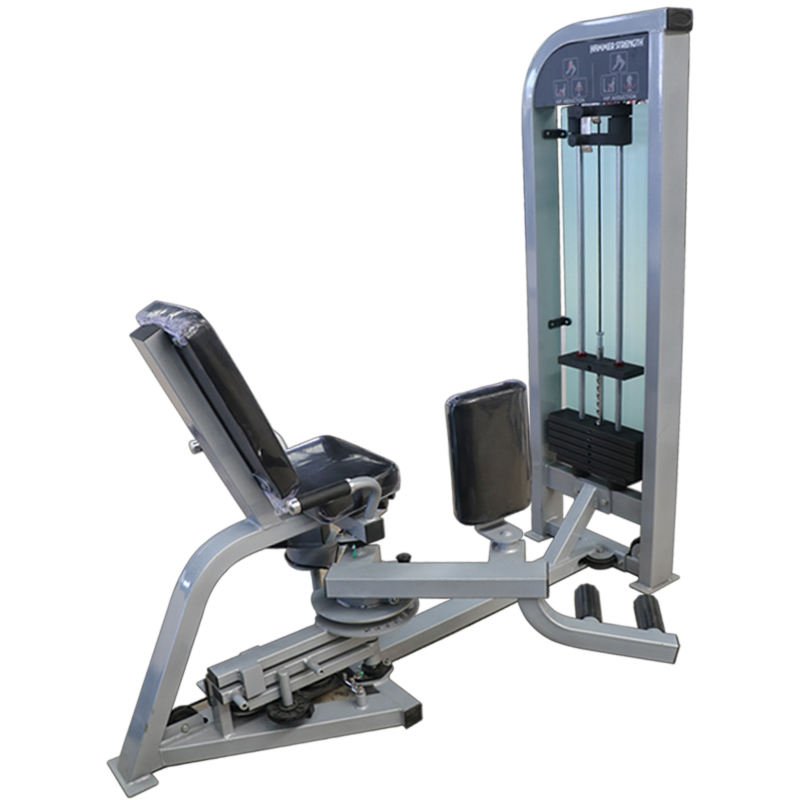
5. Seated Leg Abduction — Building Glute Width and Stability
Movement Overview
The seated leg abduction primarily targets the gluteus medius and gluteus minimus, muscles responsible for hip stability and lateral leg movement.
Although simple in appearance, this exercise is highly effective for developing the outer glutes and improving lower-body balance. By pushing the legs outward against resistance, trainees can achieve strong peak contraction in the side glutes.
Training Perspective
Many people develop decent squat strength but still feel their lower body lacks shape or width. In many cases, underdeveloped glute medius muscles are the missing piece.
Adding seated leg abduction can improve hip stability, glute activation, and overall lower-body aesthetics.
Equipment Perspective
A well-designed leg abduction machine should maintain consistent resistance throughout the entire range of motion, especially at peak contraction.
When developing this equipment, we pay close attention to resistance curves, seat ergonomics, and movement alignment to ensure better muscle engagement and user comfort.
4. Walking Lunges — A Test of Coordination and Endurance
Movement Overview
Walking lunges combine unilateral strength training with balance, mobility, and muscular endurance.
As you step forward and lower your body under control, the movement challenges coordination between the quadriceps, glutes, hamstrings, and core.
Training Perspective
Unlike fixed-position exercises, walking lunges require dynamic stability. They reveal weaknesses in balance, mobility, and single-leg strength that bilateral exercises often hide.
For athletes and general fitness enthusiasts alike, walking lunges are excellent for improving functional movement patterns.
Equipment Perspective
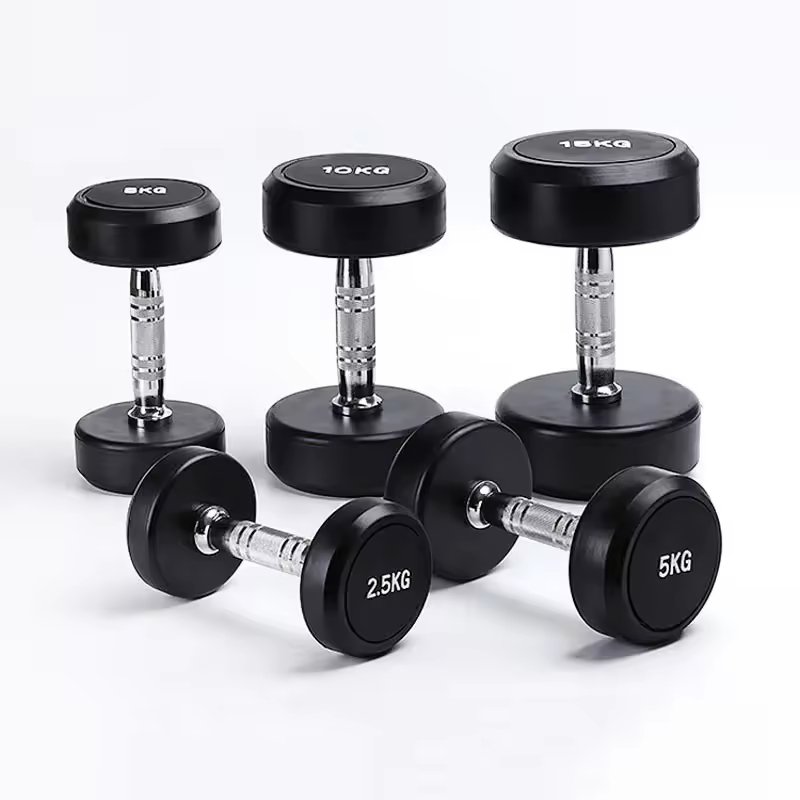
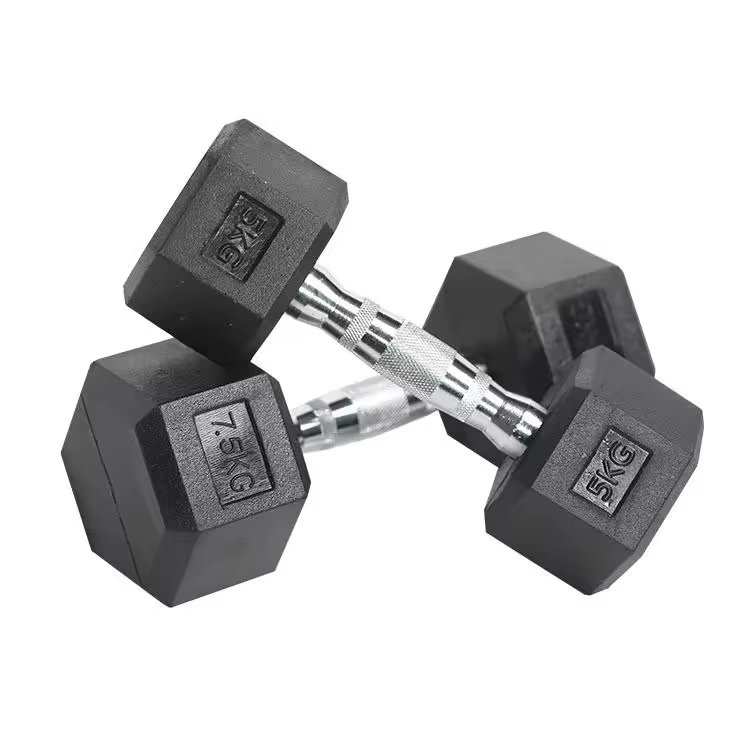
This exercise is often performed with dumbbells or barbells, making grip comfort and load balance important.
Our dumbbell and barbell designs prioritize grip texture, handle diameter, and long-session comfort to support high-volume training.
3. Deadlift — The Foundation of Posterior Chain Strength
Movement Overview
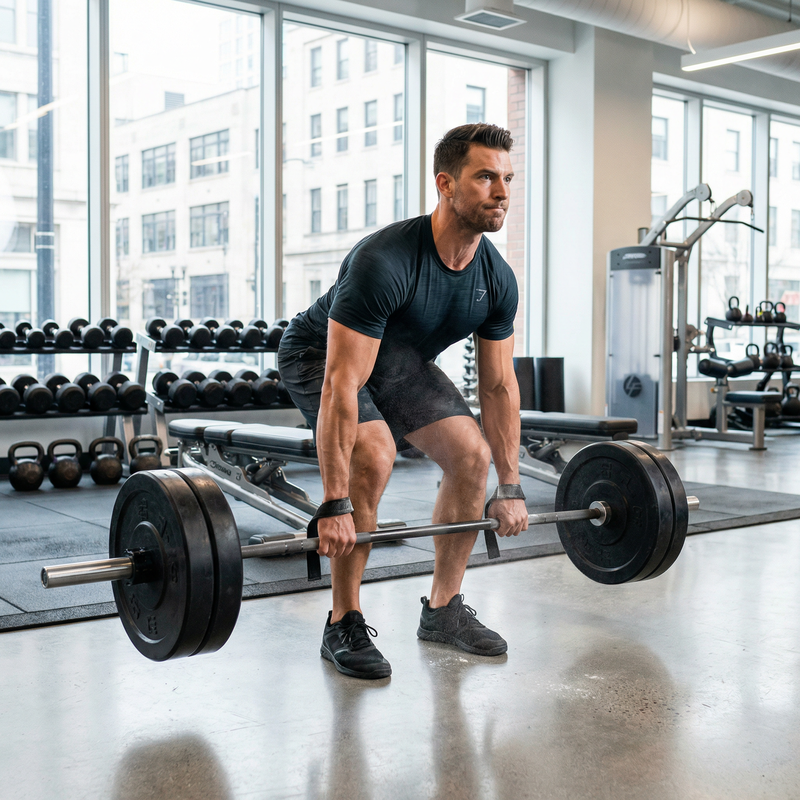
The deadlift is one of the most effective exercises for developing the posterior chain, including the glutes, hamstrings, lower back, and core.
By maintaining a neutral spine and driving through the floor, the athlete lifts the weight using coordinated full-body force production.
Training Perspective
The deadlift teaches efficient force transfer from the ground upward. It develops strength, posture, and overall athletic power.
Strong deadlifters typically possess excellent posterior-chain development, which contributes to both performance and injury resilience.
Equipment Perspective
Deadlifting places significant demands on equipment quality.
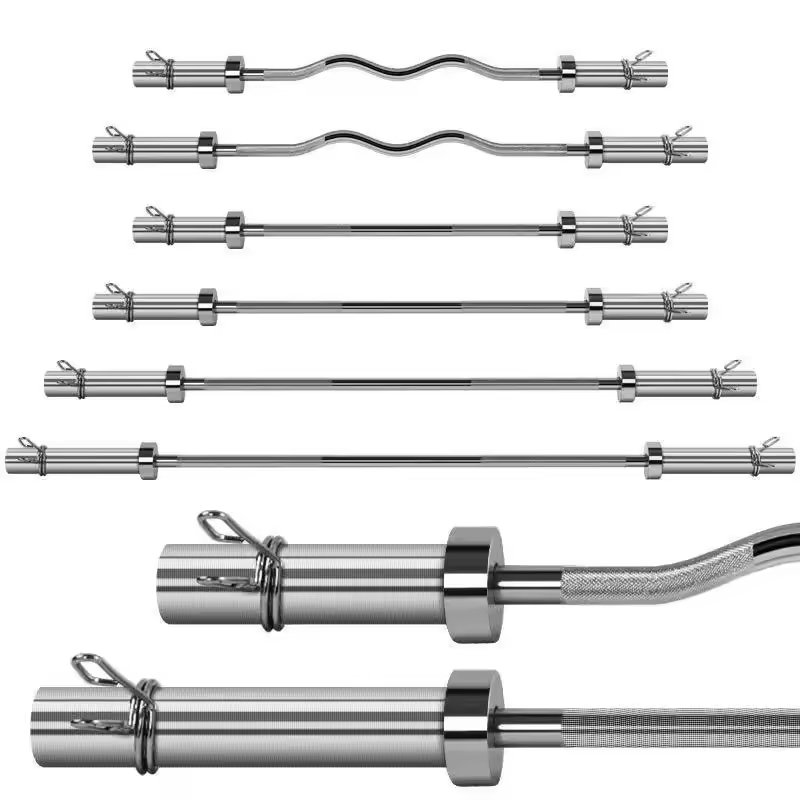
From barbell whip and tensile strength to plate tolerance and load balance, every manufacturing detail affects training feel and force transfer efficiency.
Our production standards focus on durability, structural precision, and reliable loading performance.
2. Bulgarian Split Squat — Correcting Imbalances and Building Single-Leg Strength
Movement Overview
The Bulgarian split squat is a demanding unilateral exercise that targets the quadriceps, glutes, and stabilizing muscles while improving mobility and balance.
With the rear foot elevated, one leg must manage most of the load and stabilization demands.
Training Perspective
This exercise is highly effective for identifying and correcting left-right strength imbalances.
It is particularly useful for athletes, individuals recovering movement symmetry, and trainees whose bilateral squats are limited by one weaker side.
Equipment Perspective
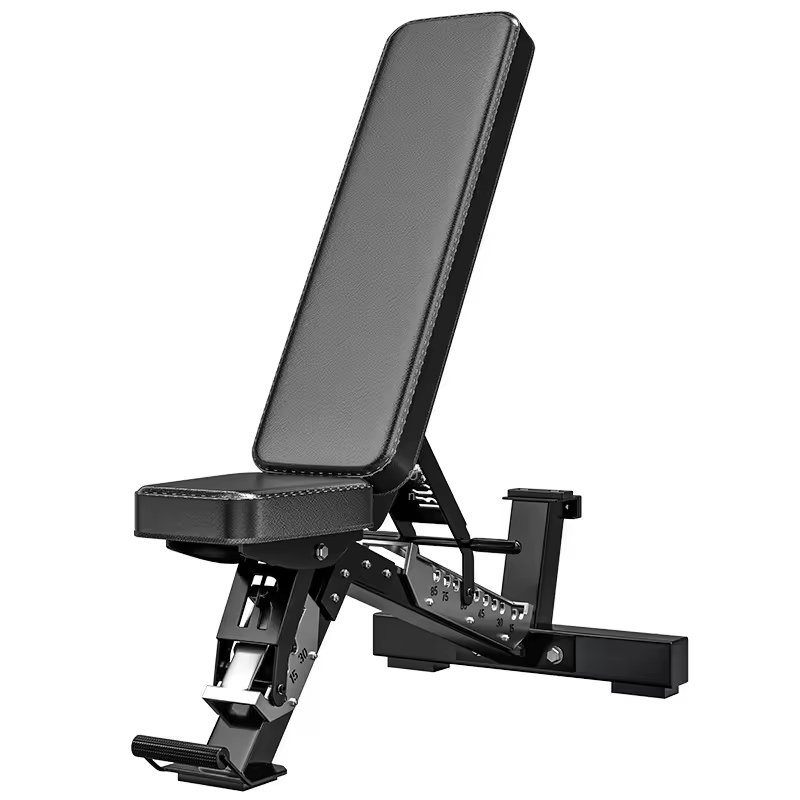
Single-leg training requires a stable environment.
Bench stability, rack design, and floor contact quality all influence safety and performance during Bulgarian split squats.
For this reason, we reinforce base structures and adjustment systems in racks and related equipment to ensure maximum stability under load.
1. Barbell Squat — The King of Lower-Body Training
Movement Overview
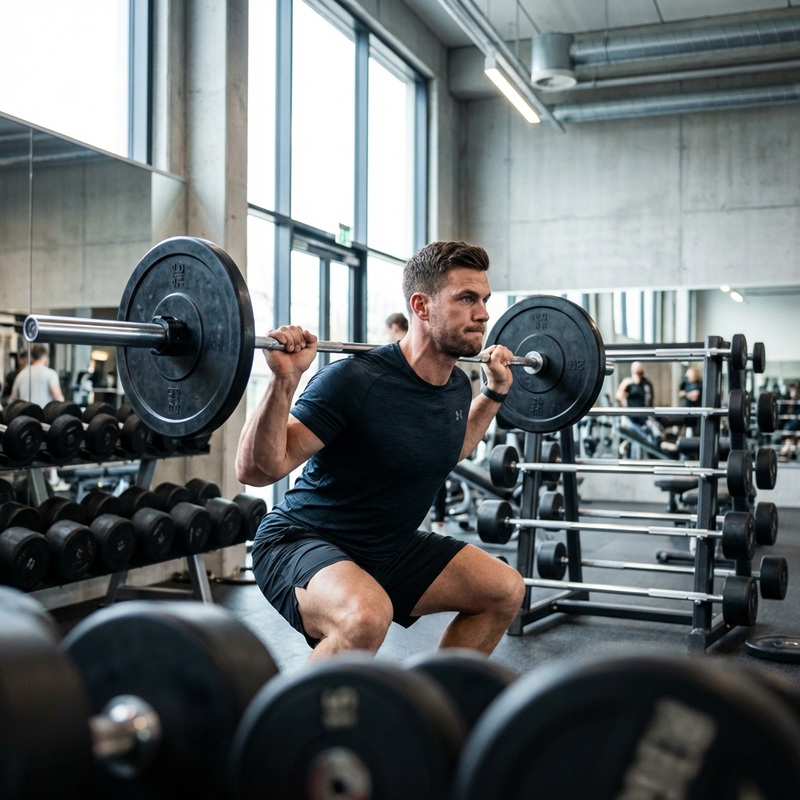
The barbell squat remains one of the most effective compound exercises for building lower-body strength, muscle mass, and athletic performance.
By coordinating hip, knee, and ankle movement under load, the squat develops the quadriceps, glutes, hamstrings, core, and spinal stabilizers.
Training Perspective
Whether your goal is bodybuilding, strength development, or athletic performance, squats should remain a cornerstone of programming.
Few exercises match the squat’s ability to build total-body strength and movement efficiency.
Equipment Perspective
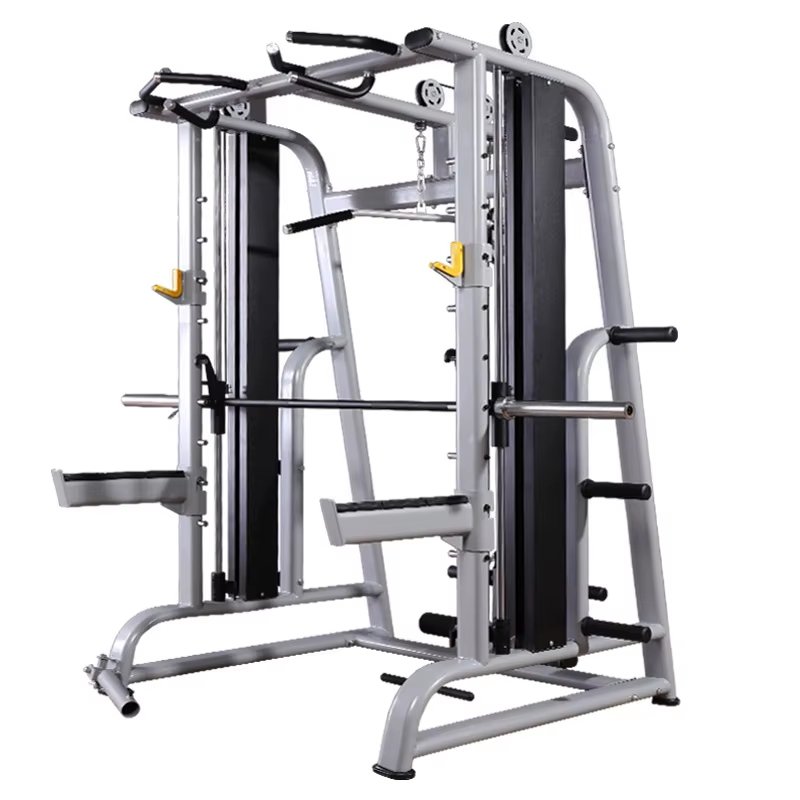
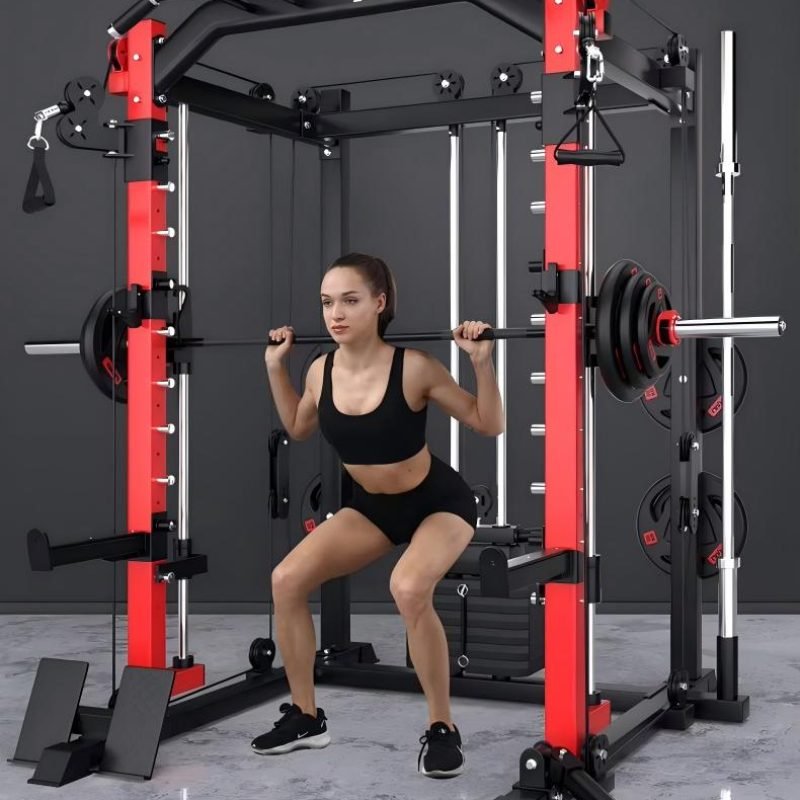
A squat rack is more than storage—it is a critical safety system.
An excellent rack should offer:
- Fast and precise height adjustment
- Reliable safety arms or spotter systems
- Structural rigidity under heavy loads
Our squat rack designs focus on adjustability, durability, and training confidence, allowing users to push harder while maintaining safety.
Conclusion: Equipment Matters, But Understanding Matters More
Training results are built through the combination of proper movement, progressive overload, and reliable equipment.
As both a fitness enthusiast and manufacturer, my goal is simple: to help people train better while ensuring the equipment supporting them is safe, durable, and intelligently designed.
If you are looking for professional fitness equipment solutions—including OEM, ODM, and custom manufacturing services—our product catalog includes detailed specifications, real product photos, and technical information for commercial gym equipment.
For distributors, gym owners, and fitness brands seeking a reliable Chinese manufacturing partner with real training knowledge, feel free to get in touch.
Ask Us Anything.Anytime
Your email will be sent directly to our product experts, who will respond to you within 1 working day (24 hours) at the latest.
Contact us and you will get not only a quote, but also an exclusive partner!