Treadmill vs Elliptical: Which Is Better for Commercial Gyms?
Treadmills offer higher calorie burn and running-specific training, while ellipticals provide low-impact, full-body workouts ideal for diverse populations. For commercial gyms, the best choice depends on your target demographic: treadmills suit performance-focused facilities, while ellipticals benefit rehabilitation and senior-focused centers. Most successful gyms include both.
Treadmill vs Elliptical: Key Differences
Feature | Treadmill | Elliptical |
Impact Level | High impact (running) | Low impact (smooth glide) |
Calorie Burn | 600-1200 calories/hour | 400-800 calories/hour |
Muscle Groups | Primarily lower body | Upper and lower body |
Space Requirements | Larger footprint (6-8 ft) | Compact (5-7 ft) |
Maintenance | Higher (belt, motor, deck) | Lower (fewer moving parts) |
User Experience | Natural running motion | Gliding, circular motion |
Price Range | $3,000-$12,000+ | $2,500-$8,000+ |
Learning Curve | Minimal (natural movement) | Moderate (technique needed) |
Injury Risk | Higher (impact stress) | Lower (low impact) |
Versatility | Running, walking, incline | Forward, reverse, arms |
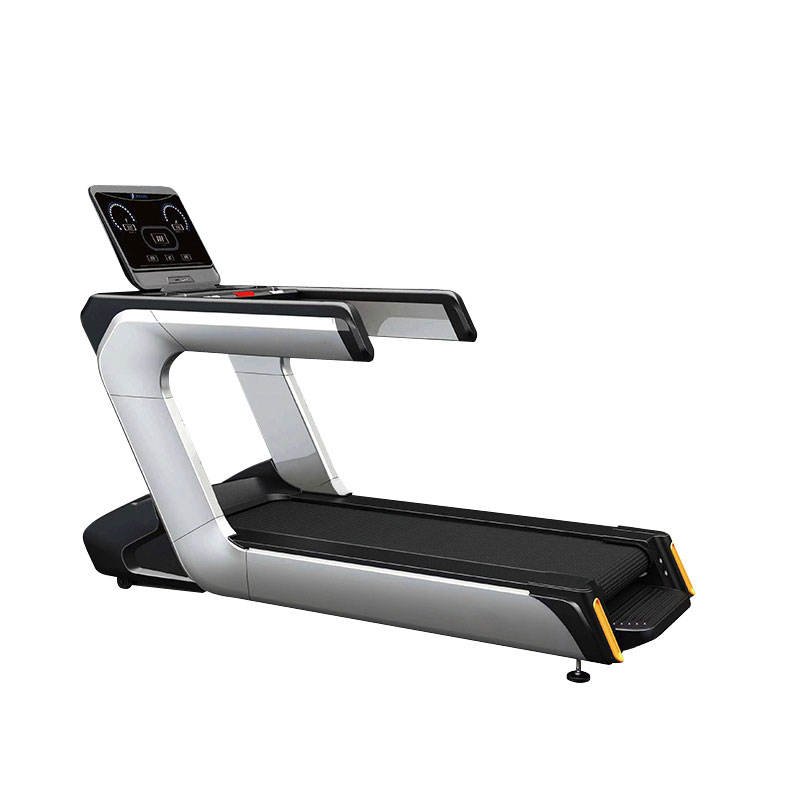
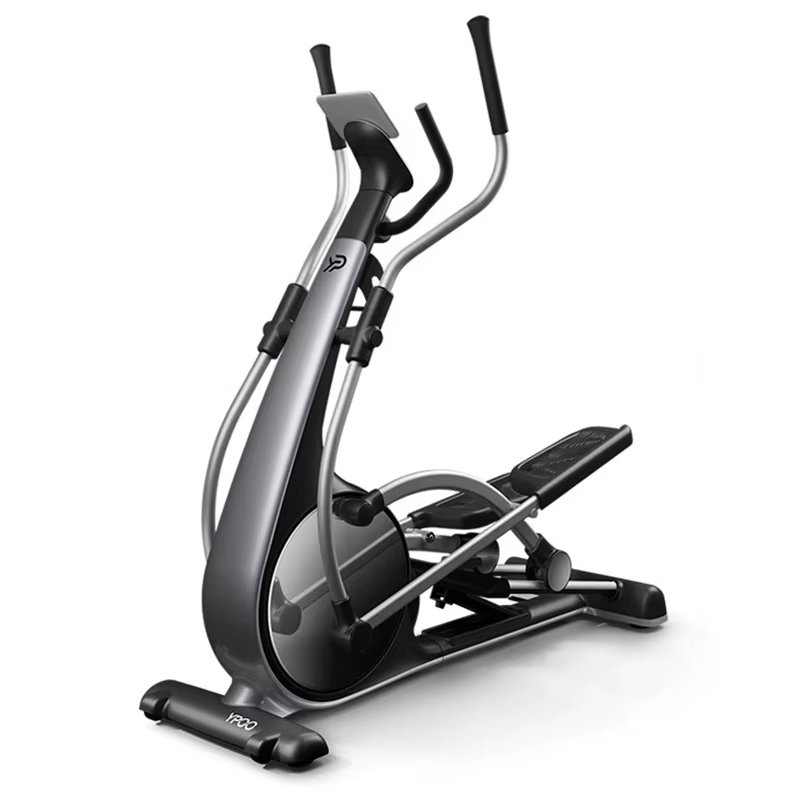
When to Choose a Treadmill for Your Gym
Treadmills are the cornerstone of most commercial fitness facilities for good reason. They offer unmatched versatility for cardio training and appeal to the widest range of users. Consider prioritizing treadmills for your facility in these situations:
Performance and Athletic Training Focus: If your facility serves runners, athletes, or performance-oriented members, treadmills are essential. They provide accurate speed control, precise incline adjustments, and the ability to replicate outdoor running conditions. Serious runners prefer treadmills for interval training and tempo runs.
High-Calorie Burn Programs: For weight loss programs and high-intensity training, treadmills deliver superior calorie burn. Running at 6 mph burns approximately 700-900 calories per hour, while walking at 3.5 mph with incline can burn 300-500 calories. This makes treadmills ideal for facilities with weight management programs.
General Population Appeal: Treadmills have the lowest learning curve of any cardio equipment. Users simply walk or run – movements they already know how to do. This universal familiarity means less staff time spent on equipment orientation and higher member satisfaction.
VantraFit’s commercial treadmill line includes models designed for every facility type, from the entry-level T1 for light commercial use to the premium T7 for high-traffic athletic facilities. Each model features durable construction and advanced programming options.
When to Choose an Elliptical for Your Gym
Ellipticals have become increasingly popular in commercial settings as facility owners recognize their unique benefits. These machines serve specific populations and use cases that treadmills cannot address as effectively:
Rehabilitation and Senior Fitness: Ellipticals provide excellent cardiovascular exercise with minimal joint stress. The smooth, gliding motion eliminates the impact associated with running, making ellipticals ideal for members with arthritis, joint issues, or those recovering from injuries. Senior living facilities and medical fitness centers should prioritize elliptical equipment.
Full-Body Workout Options: Unlike treadmills, ellipticals with moving handlebars engage the upper body simultaneously with the lower body. This provides a more comprehensive workout in the same amount of time, appealing to time-conscious members who want maximum efficiency.
Lower Maintenance Requirements: Ellipticals have fewer wear components than treadmills. There’s no belt to lubricate or deck to replace, resulting in lower long-term maintenance costs. For facilities with limited maintenance staff, ellipticals offer a practical advantage.
Space-Efficient Design: Ellipticals typically have a smaller footprint than treadmills, making them ideal for facilities with limited floor space. VantraFit’s elliptical line offers compact designs without sacrificing durability or features.
FAQ: Treadmill vs Elliptical Questions
Which burns more calories: treadmill or elliptical?
Treadmills typically burn more calories per hour because running is a higher-intensity, weight-bearing exercise. Running at 6 mph burns approximately 700-900 calories per hour, while elliptical training burns 400-800 calories depending on intensity. However, the difference decreases when comparing walking on a treadmill to vigorous elliptical use.
Is an elliptical better for bad knees?
Yes, ellipticals are significantly better for individuals with knee issues. The low-impact, gliding motion eliminates the pounding stress that running places on joints. Ellipticals allow users to maintain cardiovascular fitness without aggravating existing knee conditions or risking new injuries.
How many treadmills vs ellipticals should a gym have?
A typical ratio is 3:1 or 4:1 treadmills to ellipticals for general fitness facilities. However, this varies by demographics: senior centers may prefer more ellipticals, while athletic training facilities need more treadmills. Assess your membership demographics and adjust accordingly.
Can you build muscle on an elliptical?
Ellipticals primarily provide cardiovascular exercise, but they can help maintain and slightly build muscle, especially in the glutes, quads, hamstrings, and calves. The moving handlebars engage chest, back, and arm muscles. For significant muscle building, combine elliptical training with strength equipment.
Why do some people prefer treadmills over ellipticals?
Many prefer treadmills because they replicate natural walking and running movements, provide accurate distance and pace feedback, allow for higher intensity workouts, and have a shorter learning curve. Serious runners often find ellipticals don’t translate well to their training goals.
Are ellipticals easier than treadmills?
Ellipticals feel easier because they reduce impact stress, but they can provide equally challenging workouts. The perceived ease comes from the smooth motion and lack of joint impact. Users can increase resistance and speed on ellipticals to match treadmill intensity levels.
Which equipment lasts longer: treadmill or elliptical?
Ellipticals typically have longer lifespans due to fewer wear components. Treadmills require regular belt replacement, deck maintenance, and motor service. With proper maintenance, commercial ellipticals can last 10-15 years, while treadmills average 7-12 years in high-use facilities.
Can older adults use treadmills safely?
Yes, older adults can safely use treadmills with proper precautions. Start with slow speeds, use handrails, and focus on walking rather than running. Many treadmills offer safety features like emergency stop clips and low starting speeds. However, ellipticals remain the safer option for those with balance or joint concerns.
Conclusion
Both treadmills and ellipticals have essential roles in a well-equipped commercial gym. Treadmills excel for performance training, calorie burn, and general fitness appeal, while ellipticals serve rehabilitation needs, joint-sensitive populations, and those seeking low-impact alternatives. The most successful facilities offer both options to serve diverse member needs.
VantraFit provides complete cardio solutions for commercial facilities, including premium treadmills and ellipticals designed for durability, performance, and member satisfaction. Our equipment specialists can help you determine the optimal mix for your facility based on your space, budget, and target demographics.
Contact VantraFit today to discuss your cardio equipment needs and request a customized quote for your facility. Let us help you create the perfect fitness environment for your members.
Ask Us Anything.Anytime
Your email will be sent directly to our product experts, who will respond to you within 1 working day (24 hours) at the latest.
Contact us and you will get not only a quote, but also an exclusive partner!